


Article: How to use saddle soap on boots for professional leather maintenance
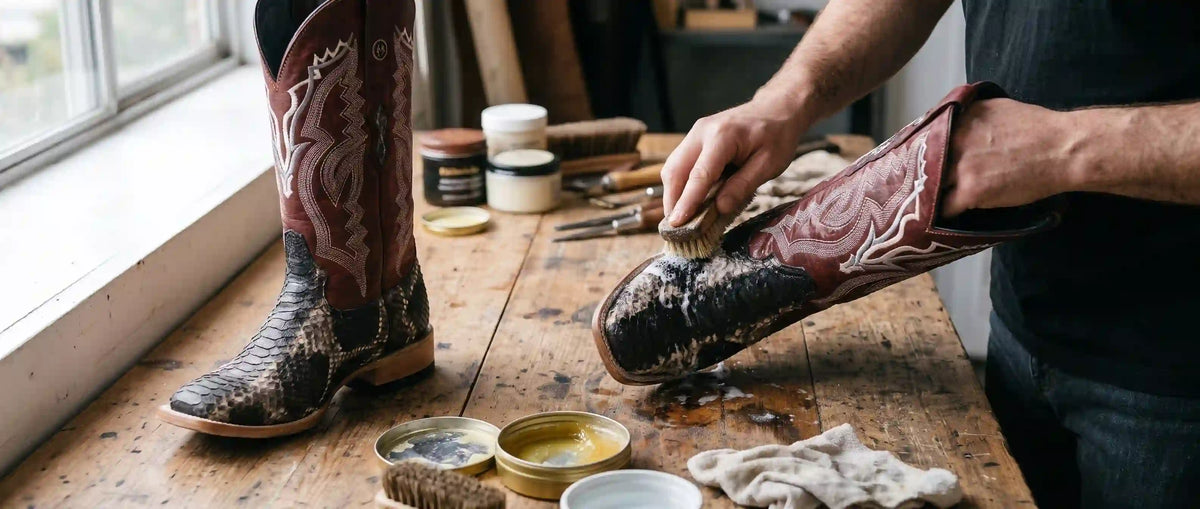
How to use saddle soap on boots for professional leather maintenance
Maintaining high-quality footwear requires more than a quick wipe with a damp cloth, especially when dealing with premium materials. Understanding how to use saddle soap on boots is essential for anyone who wants to preserve the structural integrity and appearance of their investment. This traditional cleaning agent serves a dual purpose by removing deep-seated grime while providing mild conditioning properties to the leather fibers.
When you choose to invest in leather cowboy boots, you are selecting a product designed to last for a long time. However, exposure to dust, mud, and environmental pollutants can cause the material to dry out and crack prematurely. Learning the correct way to apply these specialized soaps ensures that the pores of the leather remain clear and receptive to further treatments like oils or polishes.
Core benefits of cleaning leather boots with saddle soap
Saddle soap is a compound typically containing mild soap, lanolin, and beeswax. This combination is specifically formulated to break down tough stains and salt residues that accumulate during daily wear. Unlike household detergents, which can strip away the natural oils of the hide, this product maintains a balance that respects the organic nature of the material.
Regular maintenance routines help in preventing the buildup of old wax and polish layers. If these layers are not removed periodically, they can create a suffocating barrier that leads to internal rot. Therefore, knowing how to clean boots with saddle soap becomes a fundamental skill for extending the lifespan of work gear and fashion items alike.
Preparation and essential components for leather care
- Soft-bristled brush to remove surface debris before wetting the surface.
- Two clean microfiber cloths for application and drying processes.
- A tin of high-quality saddle soap suitable for the specific leather color.
- Lukewarm water to facilitate a rich lather without damaging the fibers.
Before starting the process, it is vital to remove the laces to ensure every corner of the tongue is accessible. This allows for a comprehensive cleaning experience that covers areas often neglected during quick maintenance. If you are handling exotic boots, extra care should be taken to ensure the soap does not get trapped within the scales or textures of the skin.
Techniques for a successful application
The secret to a perfect finish lies in the moisture control of your applicator. Dampen a sponge or cloth slightly and rub it into the soap until a light foam appears. It is important to avoid over-saturating the leather, as excess water can cause darkening or unwanted stretching of the material over time.
Applying the product in circular motions helps to lift the dirt from the grain. This method, often described when teaching how to apply saddle soap to boots, ensures that the cleaning agents penetrate effectively. Once the surface has been scrubbed gently, use a secondary clean cloth to wipe away the dirty suds before they have a chance to settle back into the pores.
Specific considerations for different leather types
Not all leathers respond the same way to moisture. While smooth cowhide is quite resilient, more delicate finishes require a lighter touch. For instance, when figuring out how to clean leather boots with saddle soap, one must distinguish between oil-tanned leather and suede. Suede should generally avoid wet soaps as it can ruin the nap permanently.
Maintaining the iconic look of western footwear
Western styles often feature intricate stitching and various textures. Understanding how to use saddle soap on cowboy boots involves paying close attention to the welt and the decorative seams. Using a small brush can help reach the crevices where dust often settles, preventing the thread from weakening due to abrasive particles.
Drying and post-cleaning conditioning
After the cleaning is complete, the leather must air dry naturally. You should never use direct heat sources like hair dryers or radiators, as this will cause the leather to become brittle and eventually crack. Place the footwear in a well-ventilated area away from direct sunlight for the best results.
Once dry, the leather may feel slightly stiff because the soap has removed some surface oils along with the dirt. This is the perfect time to apply a high-quality conditioner. The clean pores will absorb the nutrients much more effectively, leaving the boots supple and ready for use in any environment.
Consistency is the final key to a great appearance. Performing this deep clean every few months, depending on the frequency of use, will keep the leather looking vibrant. By following these principles of care, you ensure that your footwear remains a reliable companion for years to come, standing up to the rigors of the trail or the city streets with ease.
Faqs
Can I use saddle soap on every color of leather?
Yes, but it is important to test a small, inconspicuous area first. Some soaps might slightly darken very light-colored leathers, although most modern formulas are designed to be neutral and safe for a wide range of tones.
How often should I perform this deep cleaning?
For boots used daily in harsh conditions, a cleaning every four to six weeks is recommended. For dress boots or occasional wear, twice a year is usually sufficient to maintain the health of the leather.
Is saddle soap a substitute for leather conditioner?
No, saddle soap is primarily a cleaner. While it contains some conditioning agents like lanolin, its main job is to remove dirt. You should always follow up with a dedicated conditioner to restore full moisture to the hide.


Leave a comment
This site is protected by hCaptcha and the hCaptcha Privacy Policy and Terms of Service apply.