


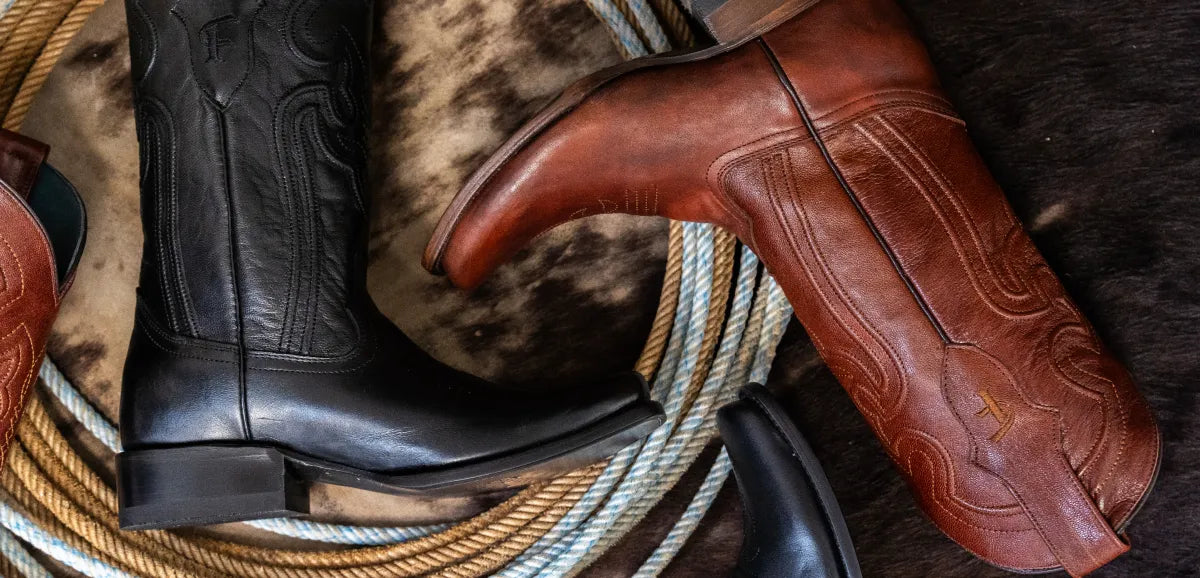
Guide to the most essential types of boots for every occasion
Choosing the right footwear goes beyond mere aesthetics; it is about finding the perfect balance between functionality and personal expression. Throughout this year, understanding the various types of boots available in the market has become essential for anyone looking to build a versatile wardrobe that stands the test of time and weather.
From rugged outdoor gear designed for extreme conditions to sleek urban designs that elevate a formal outfit, the sheer variety of options can be overwhelming. This guide explores the diverse kinds of boots you should know, ensuring you make an informed decision based on durability, material quality, and specific style requirements for your daily life.
Classic staples in the world of footwear
When we discuss the foundational pieces of a shoe collection, certain silhouettes immediately come to mind. These different types of boots have evolved from specialized work gear into global fashion icons. The Chelsea boot, for instance, remains a favorite due to its laceless design and elastic side panels, offering a clean look that fits both business casual and weekend settings.
Another indispensable category includes combat boots. Originally engineered for military use, their robust construction and grip-heavy soles provide unmatched protection and support. Modern iterations often feature premium leathers and softer linings, making them comfortable for all-day wear in the city without losing their rebellious and tough edge.
Exploring western footwear: Heritage and style
The American West has significantly influenced global fashion, particularly through its iconic footwear. Analyzing the specific types of cowboy boots reveals a deep history of craftsmanship. These are not merely decorative items but were designed for the specific needs of riders, featuring high heels to prevent the foot from sliding through the stirrup.
Modern western styles vary significantly in toe shape and shaft height. While some prefer the classic pointed toe for a traditional look, others opt for square or round toes for enhanced comfort during long hours of walking. The intricate stitching patterns often found on the leather shafts are a testament to the artisan skills preserved in the industry today. For those who want to combine tradition with a more contemporary edge, fashion leather cowboy boots blend bold finishes and modern silhouettes with the durability of full-grain hides.
At the premium end of the western spectrum, exotic skins remain the ultimate showcase of artisan craftsmanship. Ostrich skin is prized for its distinctive quill pattern and remarkable softness, while caiman skin boots offer a bold, scaled texture that ages beautifully with wear. For a striking statement, python skin boots deliver an intricate pattern that turns any outfit into a conversation piece.
Specific designs for modern cowgirls
Women's western fashion has seen a massive surge in popularity, leading to a wider range of types of cowgirl boots than ever before. These designs often incorporate softer suedes, metallic finishes, and even floral embroidery. They serve as a bridge between rugged utility and high-fashion elegance, allowing for creative styling with dresses or denim. The current catalogue of western boots for women covers everything from understated everyday silhouettes to standout statement pieces.
Functionality remains at the core of these designs despite the aesthetic flourishes. Many manufacturers now use advanced cushioned insoles to ensure that the wearer experiences the same level of comfort as they would in a standard walking shoe. This focus on ergonomics has helped western boots transition from rural essentials to urban staples. For riders who want to add a touch of exotic personality, python cowgirl boots and alligator boots for women bring the same premium craftsmanship into feminine cuts and shaft heights.
Boot shapes and toe styles to know
Beyond materials and finishes, the silhouette of a boot is what truly defines its character. Three elements drive the overall shape: the toe, the shaft, and the heel. Understanding how they work together helps you pick a pair that flatters your proportions and suits the activities you have in mind.
The toe is often the first detail people notice. The classic pointed toe creates an elongated, traditional look that pairs well with slim jeans tucked inside. The snip toe is a sharper variation favored by riders for its clean lines. Square toes have surged in popularity thanks to their roomier fit and bolder profile, while round toes remain the most comfortable option for long days on your feet. Broad square toes, sometimes called bullnose, exaggerate the silhouette for a more contemporary western statement.
Shaft height changes both the function and the styling of the boot. Ankle boots and roper-style cuts sit just above the foot and work beautifully with cropped pants or dresses. Mid-calf shafts offer balance and are the most versatile for everyday wear. Knee-high boots provide full coverage, protection while riding, and a striking visual line under skirts or worn over jeans. Over-the-knee designs push the look further into fashion territory, blending western influence with modern silhouettes.
Finally, the heel determines how the boot performs. The traditional cowboy or cuban heel, typically angled and around two inches tall, was built to hold the stirrup securely. Roper heels are shorter and flatter, ideal for walking and ranch work. Walking heels offer a middle ground between style and comfort, while riding heels remain the choice for those who spend serious time in the saddle.
For many, boots are primarily tools for safety and performance. In this category, we find heavy-duty work boots equipped with steel or composite toes. These are mandatory in many industrial sectors to protect workers from falling objects and compression injuries while providing a stable platform on uneven surfaces.
Hiking boots represent another crucial segment. These are specifically engineered to provide superior ankle stability and traction on slippery or rocky terrain. Breathable waterproof membranes like Gore-Tex are standard features in high-end models, keeping feet dry while allowing internal moisture to escape during intense physical activity.
How to choose the right pair for your needs
-
Consider the primary environment where you will use the footwear.
-
Check the sole material for adequate grip and durability.
-
Evaluate the level of ankle support required for your activities.
-
Select a material that suits the local climate conditions.
-
Ensure the sizing allows for appropriate sock thickness.
Selecting the ideal pair requires a careful evaluation of the materials used in construction. Full-grain leather is widely regarded as the most durable option, as it develops a beautiful patina over time and offers natural water resistance. However, synthetic materials are often lighter and require less maintenance for casual users.
Weight is another factor that often goes overlooked. A boot that is too heavy can cause fatigue during long commutes or hikes. Always look for lightweight midsole technologies such as EVA or polyurethane, which provide excellent shock absorption without adding unnecessary bulk to the overall structure of the shoe.
Seasonal considerations and maintenance
The changing seasons dictate which styles are most appropriate. During winter, insulated linings become a priority to maintain body heat. In contrast, unlined desert boots made of thin suede are much more suitable for the warmer months of spring and summer, offering a sophisticated look without the discomfort of overheating.
Longevity is directly tied to how well you care for your footwear. Regularly cleaning off dirt and salt prevents the leather from cracking. Using a high-quality conditioner every few months will keep the fibers supple and resilient, significantly extending the lifespan of your favorite pair regardless of how often you wear them.
Building a versatile boot collection
The world of footwear is incredibly diverse, offering specialized solutions for every imaginable scenario. Whether you are looking for the historical charm of different types of boots from the West or the technical precision of modern hiking gear, there is a perfect match for every foot. Investing in quality always pays off in the long run through comfort and durability. At 827 Outpost, we bring together heritage craftsmanship, premium leathers, and exotic skins under one roof, helping you find pieces that match both your lifestyle and your personal style with confidence.
FAQs
What are the most durable types of boots?
Generally, work boots and heritage leather boots with Goodyear welt construction are the most durable. This method allows the soles to be replaced multiple times, ensuring the upper stays in use for decades.
Are cowboy boots comfortable for all-day walking?
Yes, provided they are properly broken in. Many kinds of boots in the western category feature orthopedic footbeds specifically designed for those who spend their entire day on their feet.
How should I protect my boots from rain?
The best way is to apply a waterproofing spray or wax depending on the material. Suede requires specialized sprays, while smooth leather benefits from heavy-duty waxes or creams.
![Shark Skin Boots - [2024 Collection]](http://827outpost.com/cdn/shop/articles/los-altos-boots-boots-men-s-los-altos-shark-skin-wide-square-toe-boot-8220905-30892752830579.webp?v=1731723663&width=900)


Leave a comment
This site is protected by hCaptcha and the hCaptcha Privacy Policy and Terms of Service apply.